Own Your Thoughts and Feelings & Let Others Own Theirs
Owning your thoughts and feelings and letting other people own theirs is a foundational part of healthy communication skills.
It creates an attitude that makes it easier to present your ideas in a tactful way. And it helps you listen to other people without getting triggered or defensive.
What does it mean to own thoughts and feelings?
- Ann Silvers
- Tags: communication skills emotional intelligence relationship skills

What is Assertive Communication and Behavior?
Assertive behavior and communication often get confused with aggression, but there is a difference between being assertive and being aggressive.
- Ann Silvers
- Tags: emotional intelligence relationship skills self-esteem and self-confidence

Journal Away Your Stress
Studies show that when people write about stressful situations—and they include the emotional component—their physical health improves.
The studies’ control group that wrote about troubling situations, but did not include the emotional component, did not show health improvements.
- Ann Silvers
- Tags: anxiety emotional intelligence stress
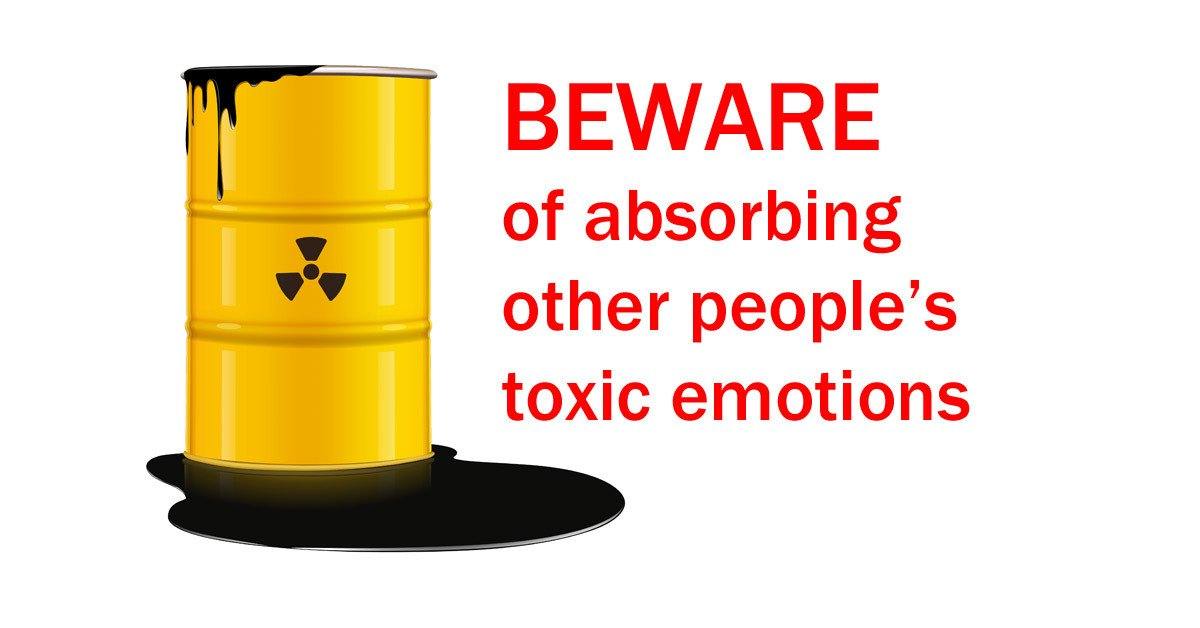
Beware of Taking on Other People’s Negative Emotions
Sometimes, we take on other people’s emotional overflow like a sponge absorbing a toxic spill. If you take on other people’s stuff, you may have no room left for yours. This can contribute to you getting overwhelmed and anxious relatively easy.
Click Read More to discover how and why you may have absorbed other people's toxic emotions, and how to protect yourself.
- Ann Silvers
- Tags: anxiety emotional intelligence stress

How to Silence Your Inner Critic and Stop Negative Self-Talk
Your inner critic can hold you back and wear you down. This post walks you through how to spot negative self-talk, where it comes from, and how to change it. With practical steps, real-life examples, and tools for lasting mindset shifts, you’ll learn how to rewrite the messages you say to yourself and replace criticism with encouragement.
- Ann Silvers
- Tags: anxiety emotional intelligence happiness stress

The Right-Wrong Trap: How Black-and-White Thinking Skews Decisions
Black-and-white thinking—also called polarized, all-or-nothing, or dichotomous thinking—is a cognitive distortion that oversimplifies your options and messes with your decision-making.
This post explains how the right-wrong trap can lead to stress, fear, and indecision, and offers tips and worksheets to help you shift toward more realistic, flexible thinking.
- Ann Silvers
- Tags: anxiety Cognitive Behavorial Therapy emotional intelligence stress