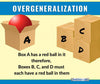
The Hidden Damage of Overgeneralizing: 10 Ways It Hurts Your Life
Overgeneralizing can quietly shape how you think, feel, and respond to everyday situations. When one experience turns into “this always happens,” it can lower confidence, increase anxiety, and affect your relationships. This post breaks down 10 real ways overgeneralization impacts your mental health, behavior, and outlook — so you can recognize the pattern and start shifting it.

Absolute Thinking: How “Always” and “Never” Distort Reality
Learn how absolute thoughts intensify emotions, and contribute to anxiety, depression, and relationship conflict — plus Cognitive Behavioral Therapy (CBT) tips and tools to overcome them.

Overgeneralization Fallacy: When Limited Evidence Leads to Broad Conclusions
Overgeneralization fallacy is a reasoning error that draws broad conclusions from limited evidence. Discover what it looks like in different professions and how it connects to overgeneralization cognitive distortion.
- Ann Silvers
- Tags: Cognitive Behavorial Therapy emotional intelligence

Silver Lining Series of Workbooks, Journals, and Planners
Through my work as a counselor, I’ve seen firsthand what helps people build resilience, improve relationships, and create positive change in their lives. I bring that experience into my writing, creating resources that are both self-help (for individuals) and helper-help (for professionals like therapists, teachers, and group leaders).
Whether you're working through anxiety, exploring emotional intelligence, or simply looking for a better way to track your to-dos, these workbooks, journals, and planner provide structured support for real-life challenges.

What Are Emotional Triggers? Identify & Manage Your Reactions
Emotional triggers are feelings, events, situations, places, people, and things that propel overreactions, anxiety, anger, withdrawal, or other negative automatic responses. They are often associated with negative past experiences that get tapped into by current events.
Recognizing and managing your triggers is vital for your own well-being, happy relationships, and career success.

Overgeneralization Cognitive Distortion: Spot It, Stop It, Change It
Overgeneralization is a common cognitive distortion that impacts how we think, feel, and interact with the world. Often triggered by limited or isolated experiences, overgeneralization leads us to create sweeping beliefs about ourselves, others, or future events that are far from accurate.Whether it’s in relationships, self-assessment, or fears, this thought pattern can fuel anxiety, reinforce stereotypes, and keep you stuck in negative downward spirals. In research and other fields, it leads to undeserved broad conclusions.
In this post, I’ll explore the concept of overgeneralization in-depth, examine its effects across different areas of life, and provide strategies and resources to help you break free from its limiting grasp.
Let’s get started!
- Ann Silvers
- Tags: cbt Cognitive Behavorial Therapy emotional intelligence