Calming Herbs for Anxiety, Stress, and Sleep: What the Research Shows
Certain herbs have long been used to calm the nervous system and support relaxation. Learn what research says about calming herbs such as passionflower, chamomile, lemon balm, valerian, and hops, and how these traditional nervine herbs may help with anxiety, stress, and sleep.
- Ann Silvers
- Tags: anxiety anxiety relief natural remedies for anxiety natural remedies for mood

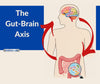
Psychobiotics: How Gut Bacteria Affect Mood, Stress, and Mental Health
Psychobiotics are beneficial gut bacteria that may influence mood, stress resilience, and emotional health through the gut–brain axis. Learn what the research says and which probiotic strains are being studied.
- Ann Silvers
- Tags: anxiety natural remedies for anxiety natural remedies for mood

Protein and Anxiety: How Amino Acids Influence Neurotransmitters
Protein supplies amino acids your nervous system uses to create neurotransmitters. This post provides a quick explanation of how amino acids influence calming and stimulating brain activity related to anxiety and stress.
- Ann Silvers
- Tags: anxiety natural remedies for anxiety natural remedies for mood

High Cortisol and Anxiety: When the Stress Response Stays Activated
Cortisol is meant to rise briefly in response to danger and then settle back down. But when stress, worry, or anxiety are repeatedly activated, cortisol can stay high. Learn how chronically elevated cortisol affects the body and contributes to anxious, wired feelings.

Neurotransmitters: How Your Brain Calms Down or Revs Up
Neurotransmitters regulate mood, energy, focus, and stress responses. Learn how calming and stimulating neurotransmitters work, how they communicate between nerve cells, and how nutrition and medications influence their function.

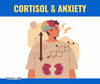
Cortisol and Anxiety: The Adrenal Gland's Response to Stress
Anxiety isn’t just emotional or mental — it’s also physical. The tense, jittery sensations that often accompany anxiety are driven by the body’s built-in systems designed to protect us from danger. This post explains how cortisol and the adrenal glands shape the stress response, why anxiety feels the way it does, and how this protective system can become overactivated.