Journal Away Your Stress
Studies show that when people write about stressful situations—and they include the emotional component—their physical health improves.
The studies’ control group that wrote about troubling situations, but did not include the emotional component, did not show health improvements.
- Ann Silvers
- Tags: anxiety emotional intelligence stress
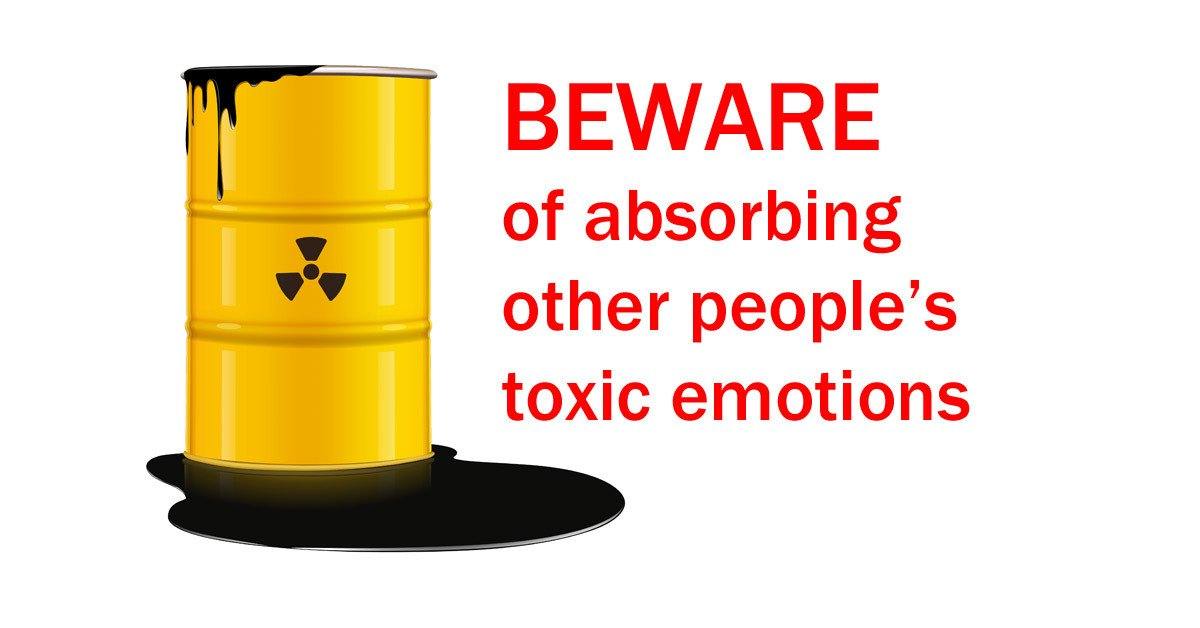
Beware of Taking on Other People’s Negative Emotions
Sometimes, we take on other people’s emotional overflow like a sponge absorbing a toxic spill. If you take on other people’s stuff, you may have no room left for yours. This can contribute to you getting overwhelmed and anxious relatively easy.
Click Read More to discover how and why you may have absorbed other people's toxic emotions, and how to protect yourself.
- Ann Silvers
- Tags: anxiety emotional intelligence stress

Use Hypnosis or Guided Meditation for stress relief
Hypnosis and guided mediation are extremely well suited to help with stress and anxiety because they are based on helping you relax. They are an anti-anxiety pill without the pill (and without the side effects).
I have had tremendous results using hypnosis to help people with various levels of stress and anxiety – from mild stress to anxiety that’s so debilitating that they can’t pass an exam that they have the knowledge to pass, or take a flight, or go into a store.

How to Do 4-7-8 Breathing: Benefits, Instructions, and Tips
Learn how to do 4-7-8 breathing with an animated breathing guide, step-by-step instructions, practical tips, and research. Discover how regular practice may improve your breathing pattern, reduce anxiety, improve sleep, and build stress resilience.

How to Silence Your Inner Critic and Stop Negative Self-Talk
Your inner critic can hold you back and wear you down. This post walks you through how to spot negative self-talk, where it comes from, and how to change it. With practical steps, real-life examples, and tools for lasting mindset shifts, you’ll learn how to rewrite the messages you say to yourself and replace criticism with encouragement.
- Ann Silvers
- Tags: anxiety emotional intelligence happiness stress

Stop Procrastination Now! Causes, Fixes & Motivational Quotes
Procrastination isn’t just about putting things off — it’s often tangled up with anxiety, fear, and habits that hold you back. This post explores what causes procrastination, how it affects your well-being, and practical ways to break the cycle. You’ll also find motivational quotes (including a few funny ones) to help you shift from stuck to moving forward.