Seaweed for Anxiety: Iodine, Minerals, and Stress Resilience

Can seaweed help anxiety?
Anxiety isn’t just psychological. It’s also influenced by what your body has available to work with. Foods like seaweed can support the physical side of stress resilience.
Also known as sea vegetables, seaweed provides nutrients your body needs to manage stress — including magnesium, zinc, and iodine. These nutrients play key roles in nervous system regulation, mood, and hormonal response to stress.
While it’s not a cure, adding seaweed to your diet may support your body’s ability to stay calmer and more resilient.
Mental Health Boosting Nutrients in Seaweed
You may know seaweed best as the green layer in sushi rolls or as crispy seaweed snacks.
It's a nutrient-dense food that contains several vitamins and minerals that research has shown can help the body manage stress and anxiety.
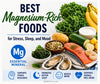
Magnesium — supports relaxation, nervous system function, neurotransmitter production, healthy cortisol levels, and sleep
Zinc — helps regulate calming neurotransmitters like GABA
B vitamins — neurotransmitter production, cortisol, nervous system, and energy balance
Iodine — supports healthy hormonal response to stress
All the best natural sources of iodine live in the sea.
According to Dr. David Brownstein, author of Iodine: Why You Need It, Why You Can’t Live Without It:
“All the glands of the body depend on adequate iodine levels to function optimally. Animal studies have shown problems with the adrenal gland . . . as well as the entire endocrine system, when there is an iodine deficient state.”
Types of Seaweed
There are many varieties of edible seaweed, including:
- Nori
- Arame
- Kombu
- Wakame
- Dulse
- Kelp
Hijiki is another seaweed eaten in many parts of the world, but it should be avoided because of notoriously high arsenic levels.
Nori: The Sushi Seaweed
Nori may be the seaweed that is most familiar to you. Nori seaweed is used to make sushi and is dried and roasted to make a snack food.
When eating sushi, be mindful of fish choices. Large fish such as swordfish, shark, and tuna (ahi) can contain high levels of mercury. Mercury has lots of downsides for your body, including the potential of creating anxiety symptoms.
How to Eat Seaweed
Here are some ways to add seaweed to your diet:
- Enjoy it in sushi
- Snack on roasted nori sheets
- Add it to soups
- Use it in seaweed salads
Arame Seaweed Salad
Next to nori, arame is my personal favorite. It is low on the fishy-smell scale and has a nice mild flavor.
This simple salad makes an easy make-ahead side dish:
- Soak dried arame according to package directions
- Add diced or slivered cucumber, carrot, and green onion
- Toss with olive oil, lemon juice, and balsamic vinegar
- Let it marinate in the fridge for a few hours or overnight
Note of Caution
Because seaweed is such a great source of iodine, consuming very large amounts of it could over-elevate your iodine level. Some iodine is good, but too much could cause problems.
While iodine is needed for your glands, and very helpful in particular if your thyroid is underactive, it may cause problems if your thyroid is overactive, or improve the potency of thyroid medications (if you are on them) to the point where your medications need to be adjusted. In these situations, it’s best to check with your healthcare provider before significantly increasing your intake.
For an in-depth discussion about thyroid and iodine, check out Dr. Brownstein’s book Iodine: Why You Need It, Why You Can’t Live Without It.
More Foods That Support Anxiety and Stress Resilience
Seaweed is just one example of how food can support the physical side of anxiety.
🟢➜ For my full list, check this post: Best Foods to Reduce Anxiety and Stress Naturally
Learn More: The Research Behind These Foods
The connection between nutrition and anxiety isn’t always obvious, but it’s powerful.
I go much deeper into the research behind nutrients like magnesium, zinc, iodine, and others in my book Feed Your Calm: Anti-Anxiety Anti-Stress Diet and Supplement Tips for Stress Resilience.
It took four years to research and write, combining my background in medical lab science and counseling to sort through the evidence and focus on what actually helps.
If you’re interested in a deeper look at the physical side of anxiety — including food, supplements, and practical strategies — the book walks through it step by step.

- Ann Silvers






Comments 0