Best Anti-Anxiety Supplements for Stress Relief (2026 Guide)

If anxiety is weighing you down or winding up, you aren't alone. Approximately 1 in 3 adults and teens in the US will experience an anxiety disorder.
Many supplements have the potential to relieve anxiety and boost your ability to deal with stress, but it can be challenging to sort through the many options. This article answers the question: What are the best natural supplements for anxiety and stress relief?
What's in this Guide to Anxiety Supplements
| Anxiety is Both Emotional and Physical |
| Can Natural Supplements Help with My Anxiety? |
| Are Natural Anxiety Remedies Safe to Use? |
| Best Natural Supplements for Reducing Anxiety and Relieving Stress |
| 8 Best Supplements for Anxiety and Stress Relief 2026 (with quick links for supplements and more information) |
| Anxiety Relief Tips: Worksheets, Books and Recordings |
| FAQ: How to Take Natural Supplements for Anxiety |
Disclaimer: No content on this site should be used as a substitute for direct medical advice from your doctor or other medical professional. I'm passing on info about supplements that research indicates may be helpful to reduce anxiety. I'm not making any promises about how any of the supplements might work for you as an individual.
Anxiety is Both Emotional and Physical
You feel the emotion of anxiety, and you feel the physical sensation of being anxious. Your body and mind are connected, and each affects the other: your biochemistry can alter your mood, and your mood can alter your biochemistry.
As a therapist, I’ve helped many people overcome anxiety with psychological interventions such as emotion skill-building, getting at the root causes of the individual’s anxiety, relaxation skills training, hypnosis, and other therapeutic approaches. I believe these are important avenues for managing stress.
I have also seen physical interventions help reduce anxiety and increase stress resilience.
In thinking about whether you should address your anxiety physically or psychologically, it’s not necessarily an either/or thing. I think it’s a both/and thing; addressing anxiety from a psychological perspective and a physical perspective is a great combination that reaps many benefits and boosts both the speed and level of improvement.
Can Natural Supplements Help With My Anxiety?
Supplements for anxiety address the underlying physical causes of anxiety. In addition, many also help with depression and hold other benefits for your body and mind.
Many can support anti-anxiety pharmaceutical medications or be used on their own.
While anxiety natural remedies don't get the same research attention as anti-anxiety and anti-depression medications, there has been quite a lot of research into how effective various supplements are at reducing anxiety. I dove into the research for my book Feed Your Calm: Anti-Anxiety Anti-Stress Diet and Supplement Tips for Stress Resilience. I won't expound on the research in this article, but if you're interested in the anxiety help hows and whys of particular supplements, the book provides lots more information. In this post, I'm just focusing on a top supplements for anxiety list.

Are Natural Anxiety Remedies Safe to Use?
Compared to prescription meds for anxiety, many anxiety supplements tend to have fewer side effects.
Even so, you should consult with your own personal medical professionals to check that supplements (especially herbs) don't have negative interactions with medications that you take or are counter-indicated for your particular physical conditions. Pregnant and nursing mothers should be cautious about taking natural remedies — especially herbal supplements.
👉 See the FAQ section at the end of this post for more on interactions, starting slow, and combining supplements safely.
Best Natural Supplements for Reducing Anxiety and Relieving Stress
Supplements commonly discussed in research on stress resilience and anxiety include:
- Magnesium
- L-theanine
- Omega-3 fatty acids
- Vitamin D
- Vitamin C
- B vitamins
- Adaptogenic herbs
- Calming herbs
- Probiotics
Each of these vitamins, minerals, fats, herbs, and microorganism groups is discussed in more detail below. For deeper explanations of how they work and how to use them, you can also explore the detailed guides linked throughout this article.

Disclosure: I may receive a small commission from sales through links in this post, but it does not affect your cost or my decision to include the product. They are placed for your convenience.
8 Best Supplements for Anxiety and Stress Relief (2026)
These supplements are listed in roughly the order I often consider them when helping clients address anxiety and stress resilience. Individual needs vary, and different nutrients may be more appropriate depending on a person’s diet, genetics, health history, and symptoms.
1. Magnesium for Anxiety Relief and Stress Resilience
Magnesium is the first supplement that I think of when working with anxiety clients. Most people are low on it. It's necessary for hundreds of chemical reactions in your body. It's required for dealing with stress, and you burn through it when you're dealing with stress.
There are many ways to supplement magnesium: pills, powders, gummies, and applications that are absorbed through the skin.
Here I'll just mention my favorite.
My #1 choice for ease of use and effectiveness is Natural Vitality CALM Gummies. It's what I use every evening myself. Using magnesium at night is helpful for anxiety and for sleep.

Supplementation dosage recommendations (mg/day) for men and women:
- PDR for Nutritional Supplements recommends 100–350
- Nutrition Essentials for Mental Health recommends 100–400
If you are using magnesium to help with sleep, it is best to take it before bed.
🟢➜ I talk about the science-based benefits of magnesium and related research in another post: Magnesium Supplement Benefits for Anxiety, Depression & More
🟢➜ To learn more about oral and transdermal options, check this hub post: How to Choose the Best Magnesium Supplement for You: Quick Overview.
2. Vitamin D3 for Mental Health
Vitamin D is the sunshine vitamin. It is vitally important for mental health.
It's important to get enough vitamin D. It's also important to not get too much. It is fat-soluble. That means that if you take excess in supplement form, your body will store it in your fat cells, and you'll have too much swimming around your body. (Conversely, water-soluble vitamins like C and B will just be eliminated by your body through urine if taken in excess.)
There are 2 forms of vitamin D: D2 and D3. D3 is the form that you are looking for in helpful supplements.
Dr. Leslie Korn recommends the following supplementation dosage for adult men and women in her book Nutrition Essentials for Mental Health: A Complete Guide to the Food-Mood Connection:
- 2000–4000 IU/day
I see that most vitamin D supplements come in 5000 IU doses.
If you have a vitamin D deficiency, a doctor will likely prescribe higher doses, but be very careful about taking large amounts on your own because of the possibility of overdosing that I mentioned above.
Nordic Naturals is a high-quality supplement brand. They have vitamin D supplements in both 1000 IU/serving and 5000 IU/serving.
 
|
🟢➜ For a detailed guide on all aspects of vitamin D supplementation, check out this post: Vitamin D3 Benefits for Depression, Anxiety, and More.
3. L-Theanine: Natural Supplement for Sleep, Anxiety, and Panic Attacks
L-theanine is very relaxing. It's particularly good for dealing with panic attacks and also to help with anxiety-related sleep issues like insomnia.
Theanine is an amino acid but it isn't found in protein sources like many other amino acids. It's a non-protein amino acid most commonly found in tea (especially green tea).
Some amino acids occur in two forms that are mirror images of each other: L and D. Only the L-forms can be used by your body’s cells. L-theanine is readily available as a supplement in powder, capsule, softgel, chewable, gummy, or liquid form.
Chewable L-theanine is great to have on hand for those times you get a spike in anxiety or a panic attack. You can also take them routinely throughout the day or for sleep. The pill form may be helpful for daily use and sleep but won't give you the fast action of the chewables.
In Prescription for Natural Cures, doctors Mark Stengler, James Balch, and Robin Young Balch recommend:
- 200 to 250 mg of L-theanine twice a day for anxiety
- 200 to 500 mg in one dose a half hour before bed for insomnia
In a Psychology Today article (2017), L-Theanine Reduces Symptoms of Anxiety, Dr. James Lake makes the following suggestions [Note: L-theanine taken in chewable forms may act faster than the capsule forms he is referring to]:
"A calming effect is usually noted within 30 to 40 minutes after L-theanine is taken at doses of 50 to 200 mg, and typically lasts 8 to 10 hours. Moderate anxiety symptoms often improve in patients taking 200 mg once or twice daily. More severe anxiety symptoms may require dosages of 600 to 800 mg/d, taken in divided doses of 100 to 200 mg."
Cautionary Note: Theanine reduces blood pressure, so it should be avoided for people with low blood pressure. People on blood pressure medication should check with their medical provider.
Here are several anti-anxiety L-theanine supplement options, including chewable forms:
 |
NOW Supplements, L-Theanine 100 mg with Inositol and Taurine This chewable has L-theanine plus a couple of additional supplements (inositol and taurine) that have anti-anxiety properties. I take these as-needed myself. |
 |
EZ Melts 200mg melt-in-your-mouth tablets This has double the dose of L-theanine compared to the NOW chewables, but doesn't have the additional anti-anxiety inositol or taurine. |
 |
Sports Reseach Suntheanine 200mg capsules |
🟢➜ For further explanation of how L-theanine helps anxiety, side-effects etc check out this post: The Mental Health Benefits of L-Theanine for Anxiety, Depression, and More.
4. Multivitamin for B-complex and Vitamin C
Several B vitamins help to reduce anxiety and increase stress resilience. Vitamin C also helps relieve anxiety and stress.
You can take both of these as separate supplements, but taking a high-quality natural multivitamin is a way to get it all in one pill.
In my book Feed Your Calm, I explain why the form of vitamins matters and how certain forms are more easily used by the body. Here I’ll simply provide an example of a supplement that contains these nutrients in forms your body can readily utilize.
Garden of Life MyKind Organics is a brand that creates vegan supplements made from organic whole foods. They have a line of multivitamins specific to different age groups and genders.
MyKind Organic Women Whole Food Vitamin Supplement
MyKind Organic Men's Whole Food Vitamin Supplement
Garden of Life MyKind Organics Vitamins for Women 40 Plus
Garden of Life MyKind Organics Vitamins for Men 40 Plus
Garden of Life MyKind Organic Women 55+ Multivitamin
Garden of Life MyKind Organic Men 55+ Multivitamin

Related Posts:
🟢➜ B Vitamins and Anxiety: Their Role in Stress Management
🟢➜ How to Get Vitamin C for Immune Support, Stress Resilience, and Anxiety Relief
5. Omega-3 Fats, EPA and DHA
Two of the major elements your brain needs to function well are the Omega-3 fats DHA and EPA.
Supplementation dosage recommendations (mg/day) for men and women
-
American Psychiatric Association (20): 1000 EPA+DHA
-
PDR for Nutritional Supplements (21): 3000 EPA+DHA
The most common source of these Omega-3s is fish oil. Nordic Naturals fish oil is the brand and form that I personally use and recommend to my clients. It is made from deep sea anchovies and sardines, and includes rosemary extract as a preservative.
Nordic Naturals also makes an algae-based omega-3 supplement. It doesn't contain as much EPA and DHA in 2 capsules as their fish oils but it is a vegan option.
|
Nordic Naturals Omega-3 Supplements |
Amount of EPA and DHA |
|
|
Nordic Naturals Ultimate Omega 1280 mg Omega-3 per 2 capsules (with 650 mg EPA and 450 mg DHA)
|
|
|
2150 mg Omega-3 per 2 capsules (with 1125 mg EPA and 875 mg DHA) |
|
|
715 mg Omega-3 per 2 capsules (with 195 mg EPA and 390 mg DHA) |


🟢➜ I explain about different types of fats and how they help and hurt your ability to deal with stress in my Omega-3 blog post.
6. Nervous System Support: Nervine herbs
Nervine herbs are herbs that have a relaxing calming effect. Be careful about using these herbs while driving. It would be best to test your reaction to them late in the day in case they cause drowsiness. They are most often used to help with sleep (a common problem for people with anxiety).
Nervine herbs are available in capsule form, liquid extracts, and teas.
Herbs that may help you feel calm and help with sleep include:
- Passionflower (Passiflora incarnata)
- Chamomile (Matricaria recutita)
- Lemongrass (Cymbopogon citratus)
- Lemon balm (Melissa officinalis)
- Valerian (Valeriana officinalis)
- Hops (Humulus lupulus)
Since this group are herbs, take special caution if you are on pharmaceutical medications or are pregnant or nursing.
Garden of Life Mykind Organics has an interesting product called Sleep Well that includes several nervine herbs and L-theanine.

🟢➜ See my Calming Herbs for Anxiety, Stress, and Sleep: What the Research Shows post for more details and supplement options.
7. Ashwagandha: Best Adaptogen for Anxiety Relief
Ashwagandha is an adaptogen herb. There are many adaptogenic herbs from different parts of the world.
Since Ashwagandha is a herb, this is one of those supplements to take special caution with if you are on pharmaceutical medications or are pregnant or nursing.
Adaptogens help you feel less anxious by moderating how your body deals with stress. They adapt and they help you adapt. They can serve as a general tonic that helps you feel better overall.
Ashwagandha is a favorite adaptogen for anxiety and stress relief — so it's the one that I'll mention here.
Here are some adaptogen supplement capsule examples. Follow dosage recommendations made by the manufacturer.

|
(2 capsules for full strength) |
|
Pros for NutriRise Ashwagandha: organic, includes black pepper for absorption, large amount of active ingredient found in ashwagandha, highly rated on Amazon reviews, satisfaction guarantee |

|
(3 capsules for full strength) |
| Pros for NaturaLife Labs Ashwagandha: organic, includes black pepper for absorption, large amount of active ingredient found in ashwagandha, highly rated on Amazon reviews, satisfaction guarantee |
🟢➜ I explain how adaptogens work and list more adaptogens that are known to help reduce anxiety in this post: What Are Adaptogens? How Do Adaptogens Help With Stress and Anxiety?
8. Probiotics for Mental Health and Stress Resilience
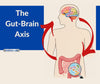
What's going on in your gut impacts your mood. Studies have amassed so much positive research about the mental health benefits of particular probiotics that they call them psychobiotics.
Here are two examples of supplements that include the psychobiotics mentioned in research for anti-anxiety benefits:

|
Contains psychobiotics Lactobacillus helveticus Rosell-52ND and Bifidobacterium longum Rosell-175 |
 |
Garden of Life Dr. Formulated Probiotics Mood+ This one contains many psychobiotics, including Lactobacillus helveticus Rosell-52ND and Bifidobacterium longum Rosell-175 Also contains Ashwagandha |
🟢➜ For a fuller explanation of probiotics and psychobiotics + a list of psychobiotics and related research: Psychobiotics: How Gut Bacteria Affect Mood, Stress, and Mental Health.
Anxiety Relief Tips: Worksheets, Books and Recordings
I know how overwhelming anxiety can feel because I have dealt with anxiety myself. I learned how to quiet my anxiety, and as a counselor, I've helped hundreds of people overcome theirs. Along the way, I've incorporated what I've learned about what helps reduce anxiety and increase the ability to deal with stress into stress-relief books, workbooks, and recordings.

FAQ: How to Take Natural Supplements for Anxiety

What types of anxiety can supplements help with?
Natural supplements may help ease symptoms across a range of anxiety-related conditions, including generalized anxiety disorder (GAD), social anxiety disorder, panic disorder, obsessive-compulsive disorder (OCD), post-traumatic stress disorder (PTSD), health anxiety, and situational stress. People often use supplements to manage anxiety-related symptoms such as racing thoughts, muscle tension, restlessness, irritability, and trouble sleeping. While not a replacement for professional treatment, supplements can support mental and physical well-being as part of a broader anxiety management plan.
What is the best natural supplement for anxiety and stress?
Magnesium is often considered one of the best natural supplements for anxiety. It is relatively inexpensive. It supports nervous system regulation and helps your body respond to stress. Other top contenders include L-theanine, omega-3 fatty acids, vitamins B, C and D, adaptogens like ashwagandha, and calming herbs (e.g., Chamomile and Valerian).
Should I start with a small dose when trying a new anti-anxiety supplement?
Yes—starting with a low dose is a smart and safe approach. Even natural supplements can cause negative side effects or unexpected reactions. I, myself, have had allergic reactions to some herbal supplements. I have a tendency to get hives from some foods and discovered that the same is true for some herbal supplements. Begin with the smallest recommended dose and give your body time to adjust.
Can I take multiple anxiety supplements at once?
Yes, many people safely combine anxiety supplements like magnesium, B vitamins, and omega-3s for broader support. However, it’s wise to introduce new supplements one at a time. That way, you can better assess how each one affects you and watch for any side effects, sensitivities, or interactions.
Can I take anxiety supplements every day?
Yes, many natural supplements for anxiety are safe for daily use. However, it’s important to follow dosage recommendations and check with your healthcare provider, especially if you take medications or have health conditions.
How long does it take for anxiety supplements to work?
It depends on the supplement. Some, like L-theanine, can work within 30–60 minutes. Others, like omega-3s and adaptogens, may take several days or weeks of consistent use to show full effects.
Can natural anxiety supplements interact with medications?
Yes—some natural anxiety supplements can interact with prescription or over-the-counter medications. This is especially true for herbal remedies like ashwagandha and nervine herbs, which may amplify or interfere with medications. Even supplements that seem mild—like magnesium or L-theanine—can affect how your body processes certain drugs. Always check with your healthcare provider or pharmacist before starting a new supplement, especially if you're taking medications or managing a health condition.
Are anxiety supplements safe when you're pregnant or breastfeeding?
Pregnant and nursing mothers should be cautious about taking natural remedies—especially herbal supplements. The concerns are mostly related to a lack of research into whether there are negative effects since research subjects are not typically pregnant or breastfeeding. Check with your personal health care providers if either of these situations pertains to you.
Are supplements better than medication for anxiety?
Natural supplements can be helpful for managing anxiety, especially when paired with lifestyle changes and therapy. They can often be used on their own to relieve symptoms. They can also often be used in conjunction with anti-anxiety medications. (Check with your doctor about any possible negative interactions.) I go into detail about the related research in Feed Your Calm: Anti-Anxiety Anti-Stress Diet and Supplement Tips for Stress Resilience.
- Ann Silvers






Comments 0