Blog

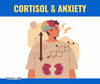
Cortisol and Anxiety: The Adrenal Gland's Response to Stress
Anxiety isn’t just emotional or mental — it’s also physical. The tense, jittery sensations that often accompany anxiety are driven by the body’s built-in systems designed to protect us from danger. This post explains how cortisol and the adrenal glands shape the stress response, why anxiety feels the way it does, and how this protective system can become overactivated.

What Are Personality Disorder Clusters? A, B, and C Explained
Personality disorders are grouped into three clusters — A, B, and C — based on shared patterns of thinking, emotion, and behavior. Learn how each cluster differs and the key characteristics associated with each of the 10 personality disorders.
- Ann Silvers
- Tags: Personality Disorders relationships

How Personality Disorders Are Diagnosed Around the World: DSM and ICD
Personality disorders aren’t diagnosed the same way everywhere. This post explains how the DSM (used in the U.S. and Canada) and the ICD (used internationally) take different approaches to diagnosing personality disorders, including why newer models are moving away from rigid labels toward trait-based frameworks.
- Ann Silvers
- Tags: Personality Disorders

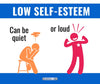
Signs of Low Self-Esteem: From Self-Doubt to Overcompensation
Low self-esteem doesn’t always look like insecurity or self-doubt. It can also show up as overcompensation, perfectionism, or arrogance. Understanding these patterns can help clarify what’s actually driving self-worth struggles.
- Ann Silvers
- Tags: depression emotional intelligence self-esteem and self-confidence

What Causes Low Self-Esteem?
Negative beliefs about yourself can have far-reaching effects on personal and professional growth, relationships, and overall well-being. This list of 9 sources of low self-esteem can help you identify what's weighing you down.
- Ann Silvers
- Tags: emotional intelligence self-esteem and self-confidence

Benefits of Healthy Self-Esteem: What Research Shows
Large-scale research has examined how self-esteem relates to relationships, mental health, and overall well-being. This post highlights what the data shows.
- Ann Silvers
- Tags: emotional intelligence self-esteem and self-confidence