Blog

Emotional Regulation, Dysregulation & Suppression: What’s the Difference?
Emotion regulation and emotion suppression are often confused, but they have very different effects on mental health and happiness. Learn why suppression is costly and how healthier regulation supports well-being.
- Ann Silvers
- Tags: emotional intelligence

Weighted Blanket Buying Guide: What to Look For
There are so many weighted blanket brands and so many options within those brands that it can be overwhelming to sort out which one is best for you and your kids.
This guide includes 12 key factors to consider when choosing a weighted blanket.
- Ann Silvers
- Tags: anxiety relief improved sleep natural remedies for anxiety natural remedies for mood stress

Protein and Anxiety: How Amino Acids Influence Neurotransmitters
Protein supplies amino acids your nervous system uses to create neurotransmitters. This post provides a quick explanation of how amino acids influence calming and stimulating brain activity related to anxiety and stress.
- Ann Silvers
- Tags: anxiety natural remedies for anxiety natural remedies for mood

High Cortisol and Anxiety: When the Stress Response Stays Activated
Cortisol is meant to rise briefly in response to danger and then settle back down. But when stress, worry, or anxiety are repeatedly activated, cortisol can stay high. Learn how chronically elevated cortisol affects the body and contributes to anxious, wired feelings.

Integrative Medicine for Mental Health: Addressing the Physical Side of Care
Integrative medicine for mental health takes into account how what is happening in the body affects emotional and psychological well-being. Learn about a variety of ways these physical factors can be addressed alongside psychotherapy.
- Ann Silvers
- Tags: natural remedies for anxiety natural remedies for mood

Neurotransmitters: How Your Brain Calms Down or Revs Up
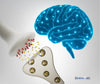
Neurotransmitters regulate mood, energy, focus, and stress responses. Learn how calming and stimulating neurotransmitters work, how they communicate between nerve cells, and how nutrition and medications influence their function.